
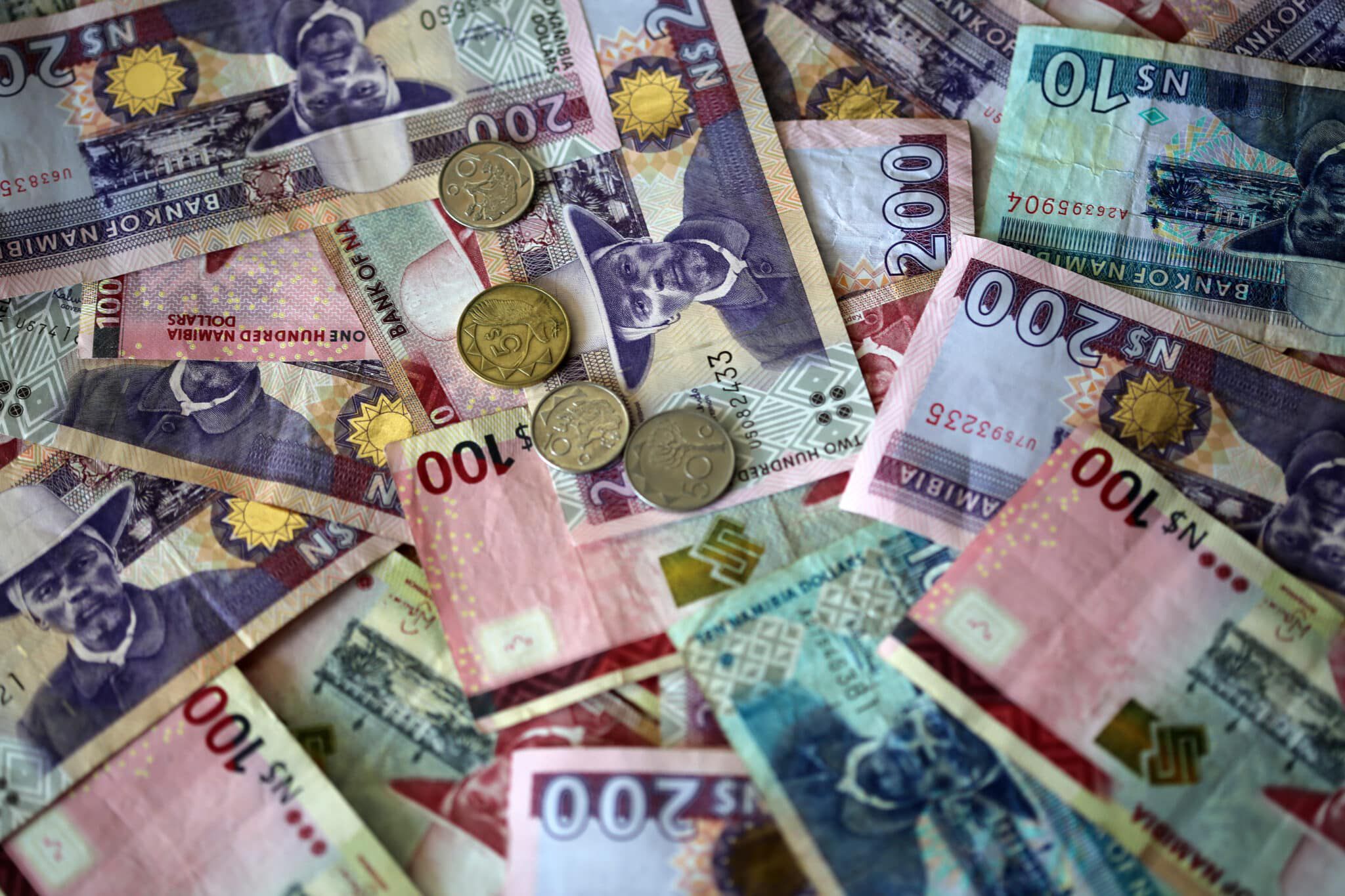
In 2025, Africa’s currency landscape reflects a continent in economic transition, marked by resilience, reform, and rising global relevance.
While many African nations continue to grapple with inflation, political instability, and external debt, a select group of currencies has shown remarkable strength and consistency on the foreign exchange markets.
This guide explores the 15 strongest African currencies based on their value against the US dollar, economic fundamentals, policy discipline, and investor confidence.
From North Africa’s Tunisian Dinar to the South African Rand and emerging performers like the Ghanaian Cedi, these currencies represent more than just exchange rates; they reflect the economic health, governance quality, and future potential of their respective nations.
MUST READ: Top 10 strongest currencies in the world in 2025
Whether you’re a forex trader, investor, policy analyst, or simply curious about Africa’s financial landscape, this comprehensive overview offers valuable insights into what’s driving Africa’s most powerful currencies in 2025—and why they matter on the global stage.
Top 15 Strongest African Currencies in 2025
15. Egyptian Pound (EGP)
-
Current Position:
-
1 EGP = 0.020 USD1
-
USD = 49.5 EGP
READ ALSO: 10 largest military bases in the world
The Egyptian pound operates under comprehensive IMF programmes that restructured monetary policy. The significant devaluation from 30.85 to 49 EGP/USD reflects necessary adjustments for long-term stability, while ongoing efforts address fiscal pressures and external balance challenges.
14. Mauritanian Ouguiya (MRU)
-
Exchange Data:
-
1 MRU = 0.025 USD
-
1 USD = 39.7 MRU
READ MORE: Kudus is more talented than Saka – Sannie Daara claims | stats comparison & verdict
The Mauritanian ouguiya features a unique 2018 redenomination and non-decimal structure. Fishing industry revenues and mining sector growth provide economic support, while IMF and World Bank backing offer international credibility and stability frameworks.
13. Zambian Kwacha (ZMW)
-
Market Valuation:
-
1 ZMW = 0.041 USD
-
1 USD = 24.34 ZMW
READ THIS: Mohammed Kudus set for £55M Tottenham move, Dr Bawumia reacts with joy
The Zambian kwacha’s performance depends heavily on copper prices and agricultural sector performance. Strategic central bank interventions and improved reserve management have enhanced resilience against external shocks and commodity price fluctuations.
12. São Tomé and Príncipe Dobra (STN)
-
Current Rates:
-
1 STN = 0.047 USD
-
1 USD = 21.01 STN
CHECK THIS OUT: Tragedy in Turkey: British footballer Paige Bowyer-Walker, 20, dies after car accident
The São Tomé and Príncipe dobra maintains stability through its euro peg system and steady cocoa export revenues. The emerging tourism sector and nascent oil industry provide economic diversification, while the euro linkage delivers predictability for regional trade and investment.
11. South African Rand (ZAR)
-
Market Position:
-
1 ZAR = 0.056 USD
-
1 USD = 17.7 ZAR
READ ALSO: V/R: Police exhume several dead bodies from shrine, arrest 6 in suspected ritual killing
The South African Rand dominates African currency markets as the most traded currency, included in major forex pairs like USD/ZAR and EUR/ZAR. Its value correlates with industrial output and mining sector performance, making it a key indicator of broader African economic health despite occasional volatility.
10. Lesotho Loti (LSL)
-
Exchange Rates:
-
1 LSL = 0.056 USD
-
1 USD = 17.7 LSL
READ MORE: Ditch CapCut? Try these 8 game-changing video editing apps
The Lesotho Loti’s strength comes from its 1:1 peg with the South African Rand and monetary cooperation benefits. Development aid focus, textile industry support, and substantial remittance contributions create multiple foreign currency sources that support regional market confidence.
9. Swazi Lilangeni (SZL)
-
Current Valuation:
-
1 SZL = 0.056 USD
-
1 USD = 17.7 SZL
READ FURTHER: Thomas Partey charged with 5 counts of rape, sexual assault involving three women
The Swazi Lilangeni benefits from integration with South Africa’s financial system and fiscal discipline supported by donor programmes. Controlled inflation and increasing use in SADC regional trade demonstrate how small economies can leverage regional integration for currency stability.
8. Namibian Dollar (NAD)
-
1 NAD = 0.056 USD
-
1 USD = 17.72 NAD
READ THIS: 20 richest black billionaires in the world in 2025
The Namibian Dollar’s strength comes from its 1:1 peg with the South African Rand while maintaining an independent central bank. Stable economic fundamentals and cross-border investment appeal make it attractive in regional monetary arrangements, providing both stability and sovereignty.
7. Eritrean Nakfa (ERN)
-
Fixed Rates:
-
1 ERN = 0.066 USD
-
1 USD = 15 ERN
READ MORE: Ex-Real Madrid coach Carlo Ancelotti sentenced to 1 year in prison for tax fraud in Spain
The Eritrean nakfa maintains strength through a fixed exchange rate system and strict government forex controls. Self-reliance policies and rigorous debt control measures reduce external pressures, while state-managed currency protection demonstrates political commitment to stability.
6. Seychelles Rupee (SCR)
-
Exchange Data:
-
1 SCR = 0.068 USD
-
1 USD = 14.71 SCR
5. Botswana Pula (BWP)
Discover more from Ghana Scoop
Subscribe to get the latest posts sent to your email.
